If you have visited NECC’s culinary department over at the Haverhill Height’s campus, you may have noticed the crisp white jackets, scull caps or tall hats, and houndstooth trousers worn by the students and faculty.
This uniform is more than just a dress code -- it serves practical, hygienic, and symbolic purposes in the working kitchen. Each element meets the demands of a professional culinary environment and upholds traditions respected throughout the industry.
Understanding the components of a chef’s uniform reveals how tradition and utility blend to create an essential part of culinary culture.
Toque Blanche: The tall, pleated white cylindrical hat worn to contain hair as well as symbolize rank or experience.
The pleated folds represent the number of ways a chef can cook an egg, typically 100! The tallest hats are reserved for the highest-ranking members of the kitchen brigade to easily identify the person in charge.
Chef’s Coat (Jacket): A heavy cotton or polly-cotton double-breasted jacket. The double layer of fabric and long sleeves insulate the body from heat, flames, or hot oil, and the front flap can be reversed if soiled during service.
The jacket features knotted cloth buttons called “french knots” that break away easily should the chef need to remove the jacket quickly.
The garment has pockets on the left sleeve to hold thermometers, a sharpie, and plating tongs. The chef’s name and rank is embroidered over a breast pocket designed to hold a small notebook.
Neckerchief (Cravate): The neckerchief, tied cravate-style, adds a finishing touch to the uniform and also quite practical. When kitchens are unbearably hot, the neckerchief catches and absorbs facial perspiration.
It also serves a medical purpose in keeping the neck and throat fromt he extreme temperature fluctuations between stovetops and freezers.
Culinary Trousers: A chef’s trousers have a small checkered pattern called “houndstooth” that helps disguise the inevitable stains that develop while working. They are moisture and flame resistant and are designed for ease of movement.
Apron: A long, waist or bib style apron worn over the jacket to protect the body and lower uniform from hot splashes, spills, and flames.
Side Towel: A clean dry towel tucked neatly at the waist or looped through the apron strings for handling hot pans at the stovetop or from the ovens.
Footwear: Sturdy, closed toe, easy to clean shoes or clogs with slip-resistant soles to prevent falls on often slick kitchen floors. The shoes should be of a solid material, such as leather, or a tight weave that is water resistant.
Essential Tools & Accessories: Pocket thermometers, a pen/Sharpie set, and a small pocket-sized notepad stored in the jacket or apron compartments.
Beyond the uniform, strict culinary hygiene and grooming standards prevent cross-contamination, ensure food safety, and preserve a professional image in commercial kitchens. Trusting others to give you food to consume requires a great deal of trust and cannot be taken lightly.
Just as the uniform sets a standard, so does maintaining a thoughtful hygiene standard. Examining the elements of a chef’s uniform illustrates the thoughtful relationship between tradition and practicality in the culinary world.
Each piece, from the iconic toque blanche to sturdy, slip-resistant shoes, is intentionally designed to address the rigorous demands of the kitchen while honoring time-honored customs.
This careful blend not only ensures safety and professionalism but also develops a sense of identity and pride among culinary professionals, making the uniform an integral part of both daily operations and the broader culture of the kitchen world over.
Recipe: Pocket Change Oat Bakes
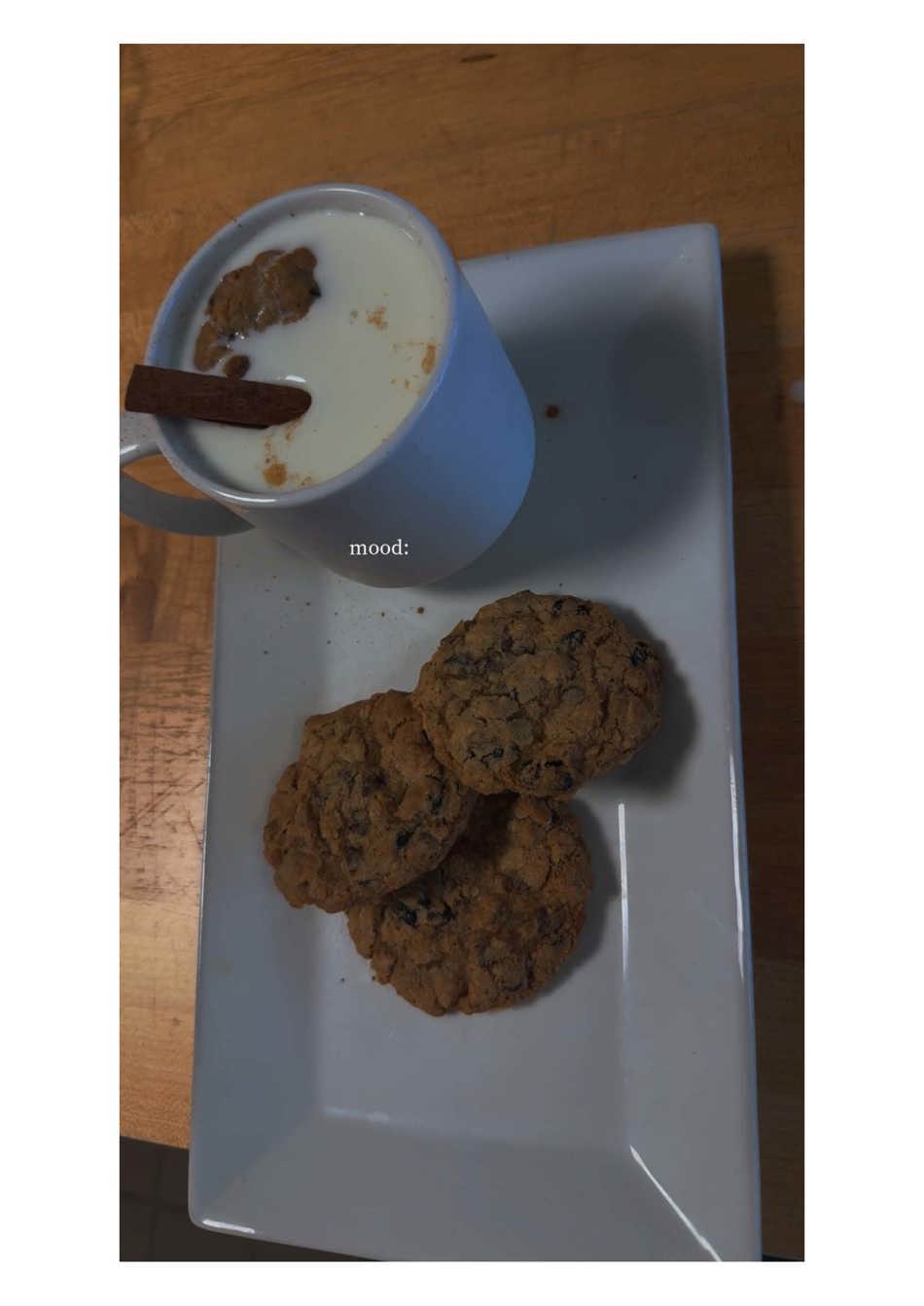
Recipe: Pocket Change Oat Bakes
The best recipes aren’t always planned. Sometimes they’re born from an empty fridge and a craving
for something sweet. I made these oatmeal cookies on a day when my pantry was running low,
using only the staples I already had in the kitchen. They’re proof that you don’t need a high grocery
budget or specialty ingredients to bake something comforting, delicious, and worth sharing.
Creaming method | Preheat 350F
Ingredients
135g All-purpose flour
1/2 tsp baking soda
1/4 tsp baking powder
1/2 tsp salt
1/2 tsp Ground cinnamon
114g Butter (softened)
100g Granulated sugar
100g Brown sugar
1 Eggs
1tsp Vanillas extract
120g Oatmeal
180g Mix ins (Chocolate chips/raisin)
Instructions
Preheat oven to 350F
Line 2 baking sheets with parchment paper. Set aside
Combine flour, baking soda, baking powder, salt and cinnamon in a small bowl. Set aside
Put softened butter, granulated sugar, and brown sugar in a bowl of a standing mixer and beat on medium until light and fluffy
Add eggs and vanilla and beat on medium high
Add the dry ingredients mixture and beat on medium speed until combined
Then, beat in oatmeal on low speed.
If desired, beat in mix ins until evenly distributed in the dough
Use a 1 1/2 tbsp cookie scoop to measure out portions
Roll the dough into balls and place them evenly spaced on prepared sheet
Gently press down tops of oatmeal cookies until slightly flattened
Bake in preheated oven for about 8-10min until top is just set and edges are lightly browned
Let cookies sit on baking pan for 5 before transferring to a wire rack
Nutrition
Serving: 1cookie | Calories: 133kcal | Carbohydrates: 19g | Protein: 2g | Fat: 6g | Saturated Fat: 3g |
Cholesterol: 23mg | Sodium: 151mg | Potassium: 40mg | Fiber: 1g | Sugar: 12g | Vitamin A: 171IU |
Calcium: 14mg | Iron: 1mg