Drag has become a controversial topic.
With lawmakers seeking to criminalize certain aspects of drag, what do those that interact with drag really think about the art form?
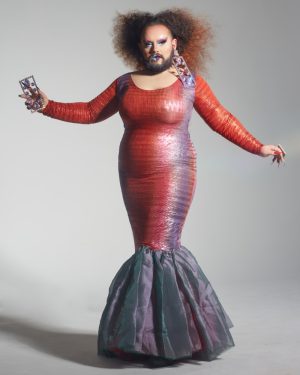
Boston based Drag performer Just JP says, “drag is my superhero costume. In drag I am presenting in a way where I feel invincible and powerful.”
People that oppose the art form like Arizona Republicans told NPR in a joint statement, “If men want to dress as women, and if adults want to participate in watching these hyper-sexualized performances, they have the freedom to do so. It crosses the line when kids are subjected to these drag shows.”
Just JP challenges that idea, saying, “drag is not inherently sexual, and the people who think drag is inherently sexual are usually misogynists who believe drag is only “the illusion of womanhood” and assume women are sexual objects.”
Shaun Hood former editor of the Arts and Entertainment section of the Observer and current Northern Essex student says it more politely, “Some shows are for all ages, and some shows are for adults.”
Just like any other performer drag artists tailor their performances to their audiences.
Just JP described drag performers as “fashionable clowns,” and as a bearded flamboyant Queen this definition fits them well. Merriam-Webster defines drag as “entertainment in which performers caricature or challenge gender and often wear elaborate or outrageous costumes.” Despite these benign definitions, drag has been demonized by politicians and people alike. Maybe some people don’t like the reflection they are forced to confront when attending a drag performance?
Shaun Hood has attended drag shows in both Haverhill and Salem, Massachusetts and finds it a cheap and fun way to see live entertainment.
Hood described drag simply as “queer entertainment.” He specifically likes getting to see live singers perform without paying concert level prices.
While it can be said that drag is unconventional that doesn’t necessarily make it the boogey man that some people seem to make it out to be. Just JP talked about the impact that they want to have on their community. Obviously, they want to entertain and distract, like most performers, but what they believe to be most important was to “harbor a community where no one is hungry, no one is unsafe, no one is unhoused.”
While no one can be perfect, it’s important not to let perfect get in the way of good. Interviews have been requested of the Global Politics Club and the Gender and Sexuality Alliance at Northern Essex Community College, but no one has volunteered.